Safe Feeding Plan for using bone broth with infants
The Importance of Healthy And Balanced Food: Why Bone Broth Is an Excellent Option for Babies
Bone broth stands out as a nutrient-dense choice, providing vital vitamins and minerals that support growth and development. What are the finest ways to introduce bone broth to your little one?
Nutritional Advantages of Bone Broth for Infants
When you present bone broth to your baby's diet regimen, you're offering a nutrient-dense food that offers many health and wellness advantages. Packed with important vitamins and minerals, bone broth contains calcium, magnesium, and phosphorus, which support your baby's expanding bones. It's also rich in collagen, assisting in the development of healthy and balanced skin, joints, and connective cells.
In addition, bone broth is an outstanding resource of amino acids like glycine and proline, which play a considerable function in overall development and muscular tissue development. These nutrients assist advertise a strong body immune system, establishing a strong foundation for your child's health.
Additionally, bone broth is easy to absorb, making it a mild choice for your youngster. By incorporating this wholesome food into their dishes, you're ensuring they get vital nutrients needed for their overall health. So, go ahead and make bone broth a staple in your infant's diet regimen!
How Bone Broth Supports Food Digestion
Bone broth is packed with vital nutrients that can really benefit your child's food digestion. It promotes intestine health and wellness and aids with nutrient absorption, making it a fantastic addition to their diet regimen. By including bone broth, you're establishing the phase for a much healthier digestive system.
Nutrient-Rich Structure
One of one of the most nutrient-rich foods you can introduce to your baby's diet plan is bone broth, which is packed with important minerals and amino acids that sustain healthy digestion. Rich in collagen, bone broth aids strengthen your infant's digestive tract lining, making it simpler for their body to soak up nutrients. It supplies jelly, which aids in damaging down proteins, advertising smoother food digestion. Additionally, the broth contains essential electrolytes like potassium and magnesium, ensuring your baby stays hydrated and stabilized. The amino acids, such as glycine and proline, play an important role in repairing tissues and supporting general health (bone broth for infants). By including bone broth into your infant's meals, you're providing a wholesome food that supports their digestion system effectively.
Promotes Digestive Tract Health
As you present bone broth right into your infant's diet plan, you'll locate it not just nourishes yet additionally advertises intestine health and wellness effectively. Rich in gelatin, bone broth assists soothe the digestive system tract, decreasing inflammation and supporting a healthy and balanced intestine lining. Additionally, the amino acids located in bone broth, such as glycine, help in food digestion and can assist avoid typical stomach troubles.
Aids Nutrient Absorption
Introducing bone broth not just supports gut health and wellness however additionally plays a significant function in assisting nutrient absorption. When you provide your baby bone broth, you're offering a rich resource of minerals and amino acids that boost their digestive procedures. The jelly in bone broth helps to calm the gut cellular lining, boosting its ability to absorb crucial nutrients. This indicates that important vitamins and minerals from other foods are extra effectively made use of by your baby's growing body. Additionally, bone broth has collagen, which sustains the development of healthy and balanced cells and organs. By including this nutrient-dense liquid into your baby's diet plan, you're guaranteeing they obtain the maximum take advantage of their dishes, advertising general wellness and health.
Strengthening the Immune System With Bone Broth
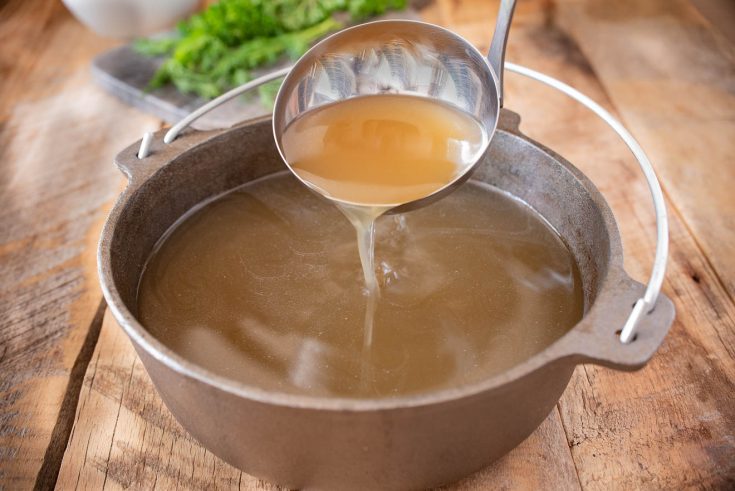
Furthermore, bone broth contains glycosaminoglycans, like glucosamine, that can boost the body immune system's capacity to function properly. This implies it not only aids in constructing defenses but additionally help in recuperation from illnesses. By incorporating bone broth right into your infant's diet regimen, you're providing an all-natural source of sustenance that advertises health. Take into consideration making bone broth a staple in your baby's meals, as it can play an essential function in their immune health and wellness and growth.
Easy Ways to Include Bone Broth Into Child's Diet
Including bone broth into your infant's diet can be simple and rewarding. You can also make use of bone broth as a base for soups or stews that you prepare for the household, ensuring your infant gets a taste of tasty, healthy and balanced dishes.
If your baby delights in grains, consider cooking rice or quinoa in bone broth instead of water for added nutrition. These methods will aid your child reap the advantages of bone broth effortlessly!
Homemade vs. Store-Bought Bone Broth: What to Pick
Which is much better for your baby: homemade or store-bought bone broth? Homemade bone broth supplies you total control over the components.
On the various other hand, store-bought choices are hassle-free and conserve you time. Nevertheless, they often contain preservatives and may not match the deepness of taste and nourishment you obtain from homemade broth. If you opt more tips here for store-bought, look for brand names that are natural and devoid of ingredients.
Eventually, if you have the time and resources, homemade bone broth is the remarkable choice for your baby's wellness. If you're short promptly, choose a top quality store-bought option as a backup.
Age-Appropriate Bone Broth Serving Recommendations
As your child grows, it is necessary to customize bone broth serving pointers to their developmental phase. For infants around 6 months, start with a couple of spoonfuls of watered down bone broth. Mix it with water or breast milk to make it much easier for them to absorb. As they come to be familiar with flavors, you can slowly introduce thicker broth by decreasing the dilution.
When your infant reaches around 8 months, you can offer it cozy in a sippy cup or add it to soft foods like purees. By the time your little one is around a year old, think about providing bone broth as a standalone drink or blending it into soups and stews. Just ensure to keep the broth reduced in sodium. Constantly keep track of for any type of reactions, and consult your doctor if you have problems regarding presenting new foods. Enjoy this nourishing addition to your child's diet plan!
Other Healthy And Balanced Foods to Couple With Bone Broth for Infants
When you're aiming to improve the nutritional value of bone broth for your infant, think about combining it with nutrient-dense veggies like carrots and spinach. Entire grain options, such as quinoa or brown rice, can likewise add structure and fiber. Additionally, including healthy and balanced protein sources like shredded chicken or lentils will certainly complete the meal well.

Nutrient-Dense Vegetables
Nutrient-dense vegetables are a wonderful enhancement to bone broth for babies, enhancing both taste and nourishment. Incorporating veggies like carrots, spinach, and pleasant potatoes can improve the nutrient web content of your broth. Carrots supply beta-carotene for healthy vision, while spinach is loaded with iron and calcium, necessary for growth. Sweet potatoes include all-natural sweetness and are rich in fiber, helping food digestion.
You can easily blend these vegetables into the broth or offer them as soft, cooked items together with it. This not only presents new flavors yet additionally motivates your child to enjoy a range of nutrients. By matching nutrient-dense veggies with bone broth, you're laying the structure for a healthy diet regimen right from the beginning.
Entire Grain Options
Healthy Healthy Protein Resources
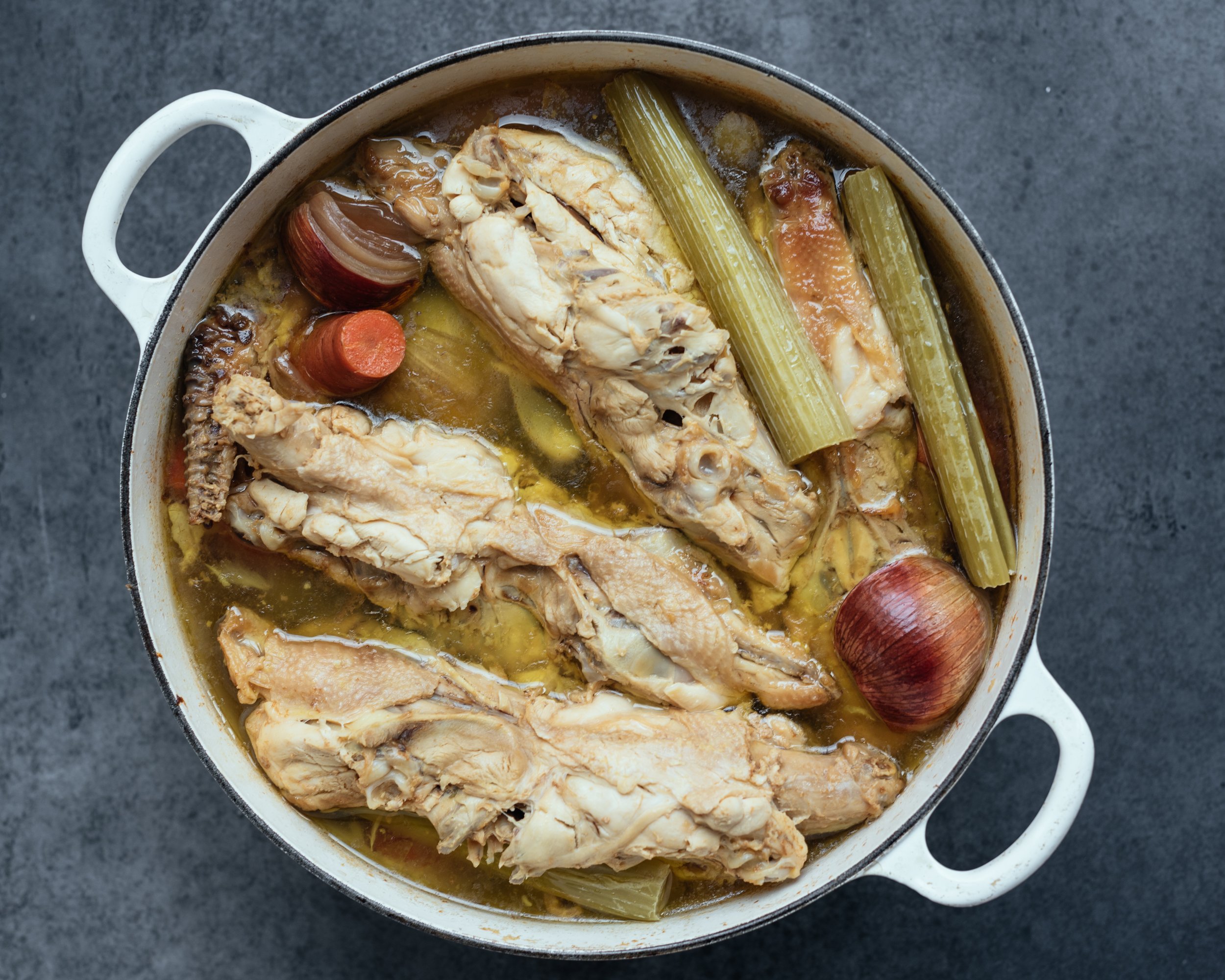
Bone broth pairs wonderfully with numerous healthy and balanced protein resources, even more enhancing your infant's diet regimen. Attempt adding soft, prepared lentils; they're nutrient-dense and stuffed with healthy protein. You can additionally mix in shredded chicken or turkey, which are easy for your youngster to digest. If you're trying to find plant-based choices, think about mashed tofu or pureed chickpeas-- both give exceptional protein without overwhelming flavors. Eggs, when introduced securely, are another terrific selection; they're flexible and packed with nutrients. Inevitably, assimilating some well-cooked quinoa can include a good texture and added healthy protein. By incorporating these healthy and balanced protein resources with bone broth, you're giving your infant a balanced, nourishing meal that supports their growth and advancement.
Regularly Asked Questions
Can Bone Broth Reason Allergies in Newborns?
Yes, bone broth can cause sensitive responses in infants, particularly if they're sensitive to particular components. Always consult your doctor prior to presenting brand-new foods and screen for any indicators of allergic reactions after feeding.
How Should Bone Broth Be Kept for Infants?
You must keep bone broth in closed containers, either in the fridge for approximately a week or in the freezer for approximately three months. bone broth for infants. Always redirected here thaw it appropriately before offering to your infant
Is It Safe to Offer Bone Broth to Premature Babies?
It's necessary to consult your pediatrician before presenting bone broth to premature infants. They'll examine your infant's particular wellness requirements and ensure it's safe, considering their unique nutritional needs and developmental phase. Always focus on professional guidance.
What Are the Indications of Intolerance to Bone Broth in Children?
When presenting bone broth, expect indications like fussiness, breakout, looseness of the bowels, or throwing up. If your baby shows any one of these reactions, it's ideal to consult a pediatrician before proceeding to offer it.
Can Bone Broth Be Utilized as a Dish Replacement for Infants?
No, you shouldn't use bone broth as a meal substitute for babies. It does not have important nutrients needed for their development. Rather, integrate it right into their diet along with well balanced meals for included nutrients and taste.